Week 6
Nutrition Deep Dive: Nutrition to Support Kidney Health
Purpose: To provide more in-depth information about how to eat to support kidney health.
Time to read: 10 minutes
Now that we’ve covered the basics of building balanced meals, let’s take a closer look at how nutrition can support your kidneys. This deep dive will focus on special considerations for people living with chronic kidney disease, including how certain nutrients can affect your kidney health.
Protein and your kidneys
As discussed before, protein is an important part of your diet – it helps build and repair muscles, support your immune system, and keep your body strong. But when you have chronic kidney disease, your kidneys may have a harder time handling the waste that comes naturally from breaking down protein.
That doesn’t mean you need to avoid protein completely. It just means you may need to be more mindful about how much you eat and where it comes from. Eating the right amount of protein for your body and stage of CKD can help reduce strain on your kidneys and slow disease progression.
Tips for eating protein with CKD:
Talk with your doctor or dietitian to find out how much protein is right for you. Your needs may change based on your stage of CKD or if you’re on dialysis.
Focus on high-quality protein sources like eggs, chicken, fish, or tofu in small portions.
Plant-based proteins like beans, lentils, and nuts are good options too, especially in earlier stages of CKD. We will discuss plant-based diets in more detail below.
Smaller portions of protein foods spaced throughout the day may be easier on your kidneys.
Plant-based diets for kidney health
What does plant-based eating mean?
Eating plant-based means focusing your meals around plant foods like vegetables, fruits, whole grains, legumes, nuts, and seeds while reducing how much you rely on animal products such as meat, dairy, eggs, fish, and seafood. You don’t have to eliminate animal products entirely; instead, think of them as a side dish or flavoring, rather than the main part of the meal. This shift can help lighten the workload on your kidneys.
Why choose a more plant-based diet with CKD?
A more plant-focused diet has many potential benefits for people living with early stage chronic kidney disease.
Supports kidney health: Plant-based foods produce fewer waste products for your kidneys to filter, which can help slow CKD progression.
Better blood pressure and blood sugar control: These are two major contributors to kidney damage. A plant-based diet is naturally rich in fiber and low in saturated fat, which can help manage both.
Reduces inflammation: CKD is often linked to chronic inflammation. A diet rich in fruits, vegetables, and whole grains can help reduce it.
Lowers risk of complications: Plant-based diets may lower your risk of heart disease and other complications common with CKD.
What foods are included in a plant-based diet?
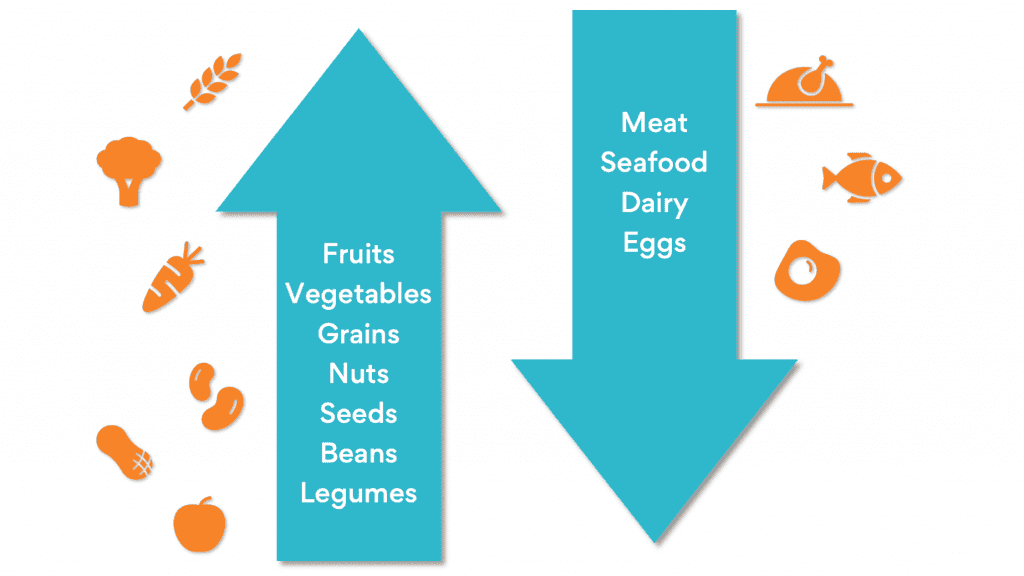
Plant-based diets can be higher in certain nutrients that people with CKD may need to be mindful of.
Potassium: Some fruits and vegetables are high in potassium, which may need to be limited (only if recommended by your provider).
Phosphorus: Plant-based phosphorus is less absorbable than that in animal products and additives, making it generally safer.
Protein: Plant proteins can be part of a balanced CKD diet, but overall intake may need to be moderated depending on disease stage.
Interested in trying out a plant-based diet? Be sure to discuss with Brook’s Health Coaches or check out the resources at the end of this session.
Aim for lower sodium
The 2020–2025 Dietary Guidelines for Americans recommends that we consume less than 2,300 milligrams (mg) of sodium each day. Depending on your symptoms, your healthcare provider may recommend reducing your intake to below 2,000 mg or 1,500 mg.
Ways to lower sodium in your daily diet:
Read nutrition labels for sodium content.
Pick lower sodium alternatives when you buy prepared and canned foods.
Focus on fresh or frozen vegetables without added sauces.
Limit consumption of packaged meals or snack foods.
Cook with herbs and spices instead of salt.
Cook at home rather than eating take-out or restaurant foods.
When reading a nutrition label on a packaged food, here are some tips for determining if it’s a good option.
Serving Size: Start by checking the serving size on the label. It’s important to understand how many servings are in the package as the sodium content listed pertains to a single serving. You may be unintentionally consuming excess sodium if you eat more than one serving.
Sodium (Salt) Content: Look for the “Sodium” line on the label. This indicates the amount of sodium in milligrams (mg) per serving. It’s recommended for individuals with heart failure to aim for foods with lower sodium content, ideally less than 140 mg per serving, or as recommended by your healthcare provider.
% Daily Value (%DV): The %DV tells you how much a nutrient in a serving of food contributes to a daily diet. A general guideline is that 5% DV or less of sodium per serving is considered low, while 20% DV or more is high.
Ingredients List: Examine the ingredients list to identify high-sodium additives such as monosodium glutamate (MSG), sodium nitrate/nitrite, and sodium benzoate. Be cautious of foods with these additives, as they can significantly increase sodium content.
When shopping, compare similar products to find lower-sodium alternatives. Pay attention to the sodium content in different brands or versions of the same food item.
Keep an eye out for hidden sources of sodium, such as in sauces, gravies, and processed meats. These can contribute significantly to your daily sodium intake.
Many foods now come with “sodium-free” or “low-sodium” labels. These products are specifically designed to help individuals reduce their sodium intake and can be good options for those with heart failure.
Reduce potassium and phosphorus (if needed)
Your doctor may recommend reducing the amount of potassium and phosphorus in your diet. These nutrients are both minerals that can build up in the body if the kidneys are damaged. You can do this by limiting your intake of foods high in these minerals.
If you need to restrict your potassium and phosphorus intake, your doctor will give you a recommended amount per day.
Early stage CKD doesn’t typically limit potassium and phosphorus.
Moderate-to-severe CKD: The recommended daily potassium intake is typically between 2,000 and 3,000 milligrams (mg) and phosphorus intake is 800–1,000 mg/day.
Dialysis: Potassium may need to be further limited to 1,000-2,000 mg per day, with phosphorus still recommended at 800–1,000 mg/day.
Unless it’s been specifically recommended by your doctor to limit potassium and phosphorus in your diet, it’s not necessary to do so.
Foods high in potassium to limit
Fruits:
Bananas
Cantaloupe
Honeydew melon
Oranges and orange juice
Prunes and prune juice
Raisins
Vegetables:
Acorn squash
Artichokes
Bamboo shoots
Beets
Brussels sprouts
Cooked spinach
Potatoes (white and sweet)
Note: Potassium can be reduced in potatoes through soaking
Tomatoes and tomato products
Other Foods:
Milk (all types)
Yogurt
Nuts and seeds
Peanut butter
Bran and bran products
Salt substitutes or “lite” salt (if product contains potassium chloride)
Low potassium alternatives can be found here.
Foods high in phosphorus to limit
Dairy Products:
Milk
Cheese
Custard
Yogurt
Ice cream
Pudding
Protein Foods:
Oysters
Beef liver
Fish roe
Sardines
Chicken liver
organ meats
Beverages:
Beer/Ale
Cocoa
Drinks made with milk
Canned iced teas
Bottled beverages with phosphate additives
Chocolate drinks
Dark colas and sodas
Other Foods:
Chocolate candy
Caramels
Oat bran muffins
Most processed/prepared foods
Deli meats
Hot dogs
Bacon
Sausage
Pizza
Brewer’s yeast
You can find low phosphorus alternatives here.
Reminder: you do not need to restrict these foods unless your provider recommends for you to do so.
Fluid restriction (if needed)
Depending on your symptoms and progression, your doctor may also want you to limit the amount of fluids you drink and eat each day. The exact amount would be prescribed by your doctor.
Unless it’s been specifically recommended by your doctor to limit fluid intake, it’s not necessary to do so.
What counts as a fluid:
Any food or drink that is a liquid at room temperature should be considered part of your daily fluid intake. Items include:
Water and ice cubes
Juice, milk, and soft drinks
Coffee and tea
Alcohol
Soups
Some desserts that turn liquid when they warm up like popsicles, ice cream, or jello
Ways to help reduce fluids in your diet and deal with thirst:
Track your daily fluid intake. Use a fluid measuring cup to measure out your total recommended intake for the day.
Drain liquid off of containers of fruits or yogurt.
Sip your fluids slowly.
Use small glasses and cups and know how much each holds.
Brush your teeth and rinse your mouth out often.
Use lip balm or petroleum jelly if your lips are dry.
Chew sugar free gum or suck on sugar free hard candies.
Next steps:
Now that you have logged meals for at least a week, it’s important to check your meals with your weight and blood pressure readings. You can do this by looking at your meal macronutrient breakdowns (in the meals you have logged) and looking at your weight and blood pressure readings in the Profile section of the app. Pay attention to your protein, sodium, potassium, and phosphorus intake (if needed).
Model your meals after the Brook Healthy Plate for at least 5 meals this week.
Feel like you need more support? Check in with your Care Team (Registered Nurse and Health Coaches) for additional support. It’s also recommended to work with a dietitian that specializes in kidney disease.
Additional resources
Brook Guide PDF - Cooking with Less Salt
Brook Guide PDF - Brook Healthy Plate